Are We Ready for Longer Lives?

Dr Damien Ng
Senior Research Analyst at Bank Julius Baer in Zurich
What happens when large numbers of people reach their 80s with the energy and curiosity once associated with middle age? The answer may require us to redesign the social infrastructure of modern life.
The longevity paradox
A few weeks ago, I found myself re-reading The Longevity Economy by Joseph Coughlin. For decades, the conversation about ageing has revolved around a single challenge: how to help people remain healthier and live longer. Advances in healthcare and prevention have long pursued that goal. What struck me, however, was how little attention we pay to the implications of actually achieving it.
That question exposes a growing mismatch between human longevity and the social and economic frameworks that structure modern life. For the first time in human history, extended healthspan is becoming increasingly commonplace, driven by improvements in medicine, sanitation, nutrition, and public health.
Yet society still operates on assumptions shaped by an earlier era. Education remains concentrated in youth and careers often follow a linear trajectory. Retirement, meanwhile, continues to mark a major life transition. Longevity is increasing rapidly, but many of the institutions and structures that organise modern life have yet to catch up.
“What happens when large numbers of people reach their 80s with the energy and curiosity associated with middle age?”
What happens when large numbers of people reach their 80s with the energy and curiosity that earlier generations associated with middle age?
My argument is simple: the defining challenge of the longevity era is society’s capacity to adapt to extended lifespans. The next phase of healthy ageing may depend as much on social innovation as on scientific breakthroughs.
In several developed economies, children born today have a realistic chance of becoming centenarians. The number of people aged 100 and over is projected to increase eight-fold over coming decades, making this age group much more the norm.
A Demographic Shift Hiding in Plain Sight
Longevity is often framed as a personal aspiration. In reality, it is becoming one of the most consequential demographic transformations of the twenty-first century.
Global age structure reverses: 1960–2070
The numbers tell a clear story. As the global population under the age of 14 continues to shrink (see chart 1), the number of people aged 65 and older is projected to more than double, rising from approximately 760 million in 2021 to around 1.6 billion by 2050. By then, one in every six people worldwide will be over the age of 65. At the same time, gains in life expectancy continue to reshape societies across both developed and emerging economies.
Demographic shifts transform labour markets, consumption patterns, political priorities, and social infrastructure.
The conversation therefore extends beyond health and medicine to the broader implications of longer lives. The question is no longer simply how people age, but how economies, workplaces, public institutions, and communities adapt as longevity becomes an enduring feature of modern life.
So what does success look like?
Much of the public debate on ageing follows a familiar script. Discussions, quite rightly, tend to focus on rising healthcare costs, pension obligations, shrinking workforces, and the growing fiscal pressures associated with older populations. Viewed through this lens, longevity appears primarily as a challenge for governments, employers, and healthcare systems. Ageing, consequently, becomes a problem to be managed.
A different perspective emerges when we view longevity through the lens of value creation rather than cost. Joseph Coughlin describes this as the Longevity Economy: a world in which longer lives become a source of economic dynamism and continued human contribution. The over-50 population already represents one of the most significant drivers of economic activity across major economies, shaping spending patterns and labour markets.
The USD 12 trillion longevity economy (2024)
In the United States alone, for example, people aged 50 and above generate more than USD 12 trillion in annual economic activity. Indeed, if the economic output of US adults aged 50 and above were measured as a separate country, it would constitute the world’s third-largest economy (see chart 2). This opens the door to a different question. what is the value of an extra healthy decade?
An additional decade of good health enables people to deepen community ties and make fuller use of their skills and experience.
Viewed this way, longevity creates something far more powerful than simply added years. It expands human capability. Industrial societies were built through the accumulation of physical and financial capital. Longer, healthier lives increase the value of the expertise and judgement individuals accumulate over time, allowing that capital to be deployed and shared for longer.
Perhaps the most valuable resource of the longevity era is neither artificial intelligence nor biotechnology. It is the growing pool of healthy individuals who have both the time and the capacity to continue contributing.
The challenge now is figuring out how society can make the most of that opportunity. That begins with rethinking the structure of life itself.
The rise of the multi-stage life
For much of the twentieth century, life followed a relatively predictable sequence: education in youth, work throughout adulthood, and retirement in later life. This model made sense in an era when life expectancy was lower and the period between leaving the workforce and the end of life was relatively short.
Longer lifespans create opportunities for people to reinvent themselves and contribute in new ways throughout adulthood.
The traditional concept of a “three-stage life” consisting of education, work, and retirement is gradually giving way to a “multi-stage life” characterised by continuous learning and career transitions. This evolution raises a provocative question: how many times can an individual reinvent themselves over the course of a longer life?
“How many times can an individual reinvent themselves
over the course of a longer life?”
Retirement becomes one transition among many, as opportunities for learning, work, and contribution extend across a much longer time horizon.
This creates an important tension. Society encourages people to live longer and healthier lives, yet many of its social institutions continue to assume a largely linear progression from education to employment and, ultimately, retirement.
Responding to this reality requires more than individual adaptation. It calls for a rethinking of education, work, housing, and the social support systems that enable people to navigate multiple transitions across the life course.
The missing infrastructure
One way to understand the longevity challenge is through the lens of social infrastructure. Throughout modern history, societies have built specialised institutions to help people navigate the major stages and risks of life. Schools support learning in youth. Universities develop professional knowledge and expertise. Hospitals treat illness and injury. Banks facilitate the accumulation and transfer of financial capital.
What remains underdeveloped are the frameworks needed to support healthy longevity. This gap reflects a deeper issue. For the most part, longevity has been framed as a medical challenge, directing attention toward prevention and treatment. Yet ageing is shaped by far more than healthcare alone. Families, workplaces, communities, social networks, and cultural norms all play a critical role in determining how people experience longer lives.
An ageing society needs support structures that help people navigate multiple life stages while fostering belonging and community. Yet no single institution currently assumes responsibility for this task.
We have become remarkably sophisticated in the science of ageing. Our ability to support purpose and meaningful participation across extended lifespans remains far less developed.
The defining challenge of longer lives is not simply extending them, but adapting society to the realities they create. As extended life expectancy becomes more common, societies will need new forms of infrastructure to help people navigate the opportunities and complexities of an extended life course. Early signs of that adaptation are already beginning to emerge.
“The defining challenge of longer lives is
adapting society to them.”
Lessons from Switzerland and Singapore
Some countries have already begun adapting to an ageing population. Among the most interesting examples are Switzerland and Singapore, two nations that approach longevity from very different starting points yet arrive at a similar conclusion: longevity extends far beyond healthcare.
Switzerland provides a compelling example of how healthcare excellence, scientific innovation, preventive medicine, and healthy-ageing entrepreneurship can work together to support longer, healthier lives. The results are evident: at age 65, Swiss men can expect 14.4 additional years of healthy life, while Swiss women can expect 14.9. Yet Switzerland's success extends beyond healthcare. Its strong civic institutions, culture of participation, and opportunities for engagement in later life demonstrate the equally important role of social infrastructure in supporting healthy longevity.
Singapore has taken a more coordinated approach. Recognising demographic change as a national priority, it has invested heavily in lifelong learning among older adults alongside age-friendly urban planning. The objective is not simply to respond to population ageing through continuous upskilling, but to ensure those years remain productive and meaningful. By 2030, one in four Singaporeans will be aged 65 or older, making population ageing a central national policy issue.
Building for longer lives
A new generation of longevity-focused platforms is beginning to emerge. These initiatives are responding to a common reality: longer lives create societal needs that many existing systems were never designed to address.
Knowledge centres such as the MIT AgeLab are looking beyond the biology of ageing to the broader implications of increased longevity for everyday life and economic participation.
Communities focused on healthy ageing represent another emerging model. Organisations such as member-based longevity clubs and interdisciplinary wellness communities recognise the importance of the social environment in shaping health outcomes. Their role extends beyond clinical support to fostering conditions in which people can thrive.
Better ageing platforms, such as the Sacher Academy for Better Ageing in Austria, represent a further evolution of this trend. These models integrate health, behaviour, and community within a single ecosystem. Their aim is to help individuals navigate later life more intentionally.
These initiatives offer early examples of the social infrastructure needed for a world of longer lifespans.
Beyond the clinic
The success of longevity science may ultimately reveal that extending life was only the beginning. The greater challenge is redesigning society around the additional decades people are gaining.
What does lifelong learning truly mean in a world where careers span 60 years and artificial intelligence is continually reshaping the nature of work? How should employment evolve when reinvention becomes a recurring feature of life? What might replace the traditional notion of retirement as a defining life stage? And what support systems remain absent from a society built for shorter lives rather than longer ones?
The ultimate measure of longevity will rest on more than the number of years added to life. It will depend on how effectively societies enable people to use those years. The future of longevity will be shaped as much by social adaption as by scientific progress. Perhaps the next chapter of the longevity economy will be defined by our ability to transform added years into human flourishing.
We have learned how to add years to life. The challenge now is learning how to add life to those years.
About the Author Dr Damien Ng
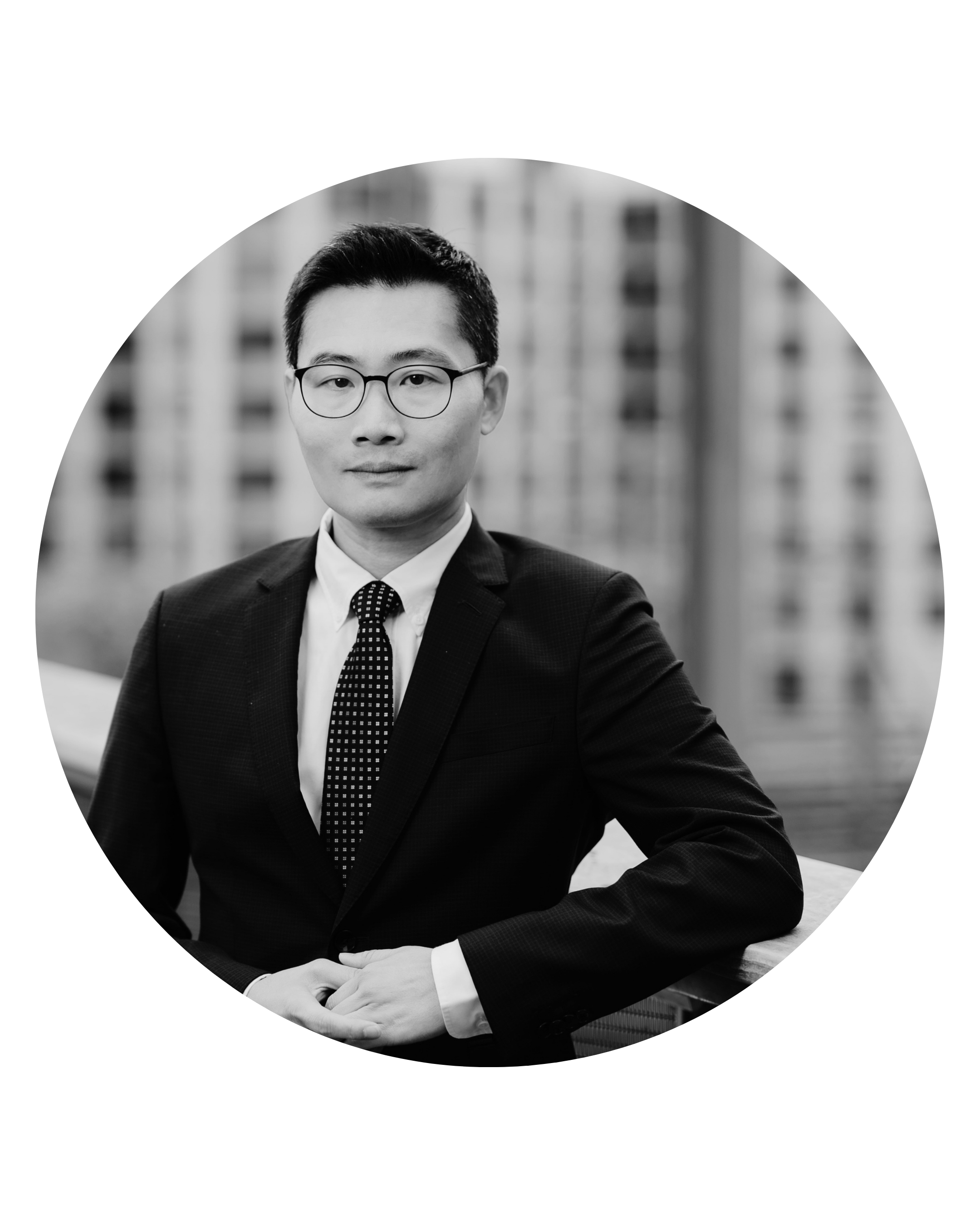
Damien Ng, PhD, is a Senior Research Analyst at Bank Julius Baer in Zurich, specialising in longevity, demographics, and the future of health. With professional experience spanning Singapore, Paris, and Zurich, he researches the societal, economic, and geopolitical implications of long-term trends.
His work has been published by the World Economic Forum, IMD, LSE Business Review, IE Business School, Asia Times, and The Business Times. Damien is also the author of a Routledge book and a frequent speaker at Julius Baer client events and industry conferences across Europe, Asia, Latin America, and the Middle East.